www.caribbean-cooking-recipes.com
Caribbean Recipes - Authentic Caribbean Cooking Recipes
Caribbean Recipes

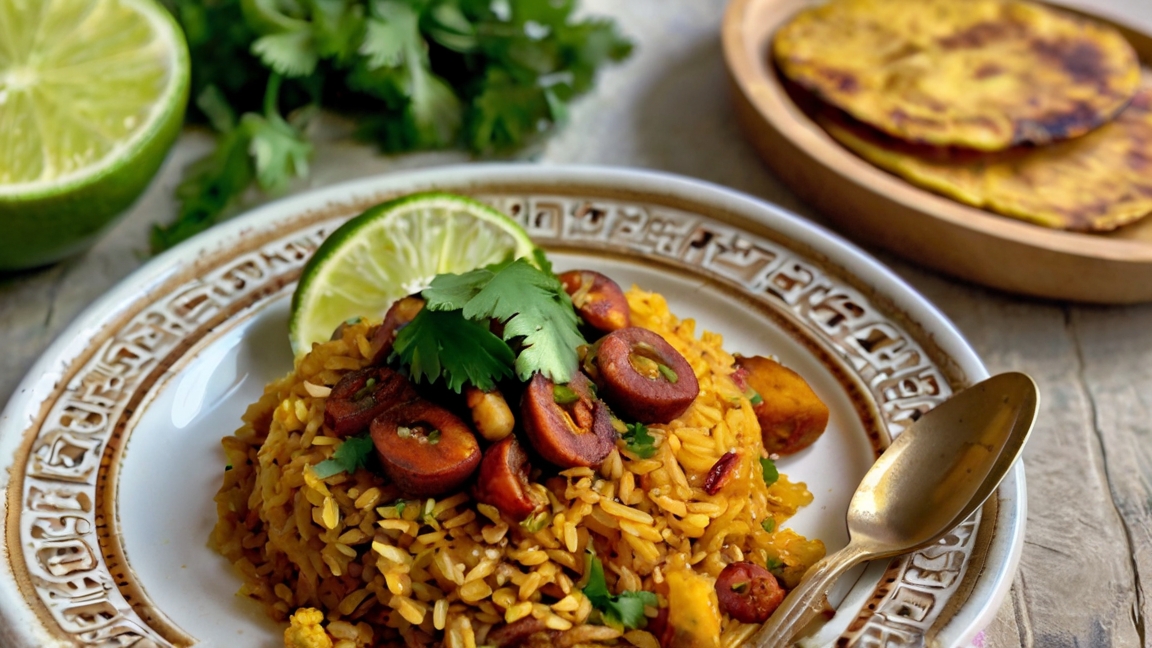
Puerto Rican Arroz con Gandules: Your One-Pot Ticket to Flavortown (Easy Recipe Included!)

Print This Post Print This Post

authentic Arroz con Gandules recipe

Craving a soul-satisfying meal bursting with vibrant flavors and rich cultural heritage? Look no further than Arroz con Gandules, Puerto Rico’s national dish! This isn’t just any rice and beans; it’s a symphony of savory goodness, guaranteed to tantalize your taste buds and transport you to the heart of the Caribbean.

Intrigued, but short on time? Don’t worry, Arroz con Gandules is a one-pot wonder! Whip up this flavorful dish in under an hour and impress your family and friends with your culinary prowess.

Ready to dive into the delicious world of Arroz con Gandules? Let’s get cooking!

What is Arroz con Gandules?

Arroz con Gandules translates to “rice with pigeon peas” and is a cornerstone of Puerto Rican cuisine. This comforting dish features fluffy white rice cooked to perfection alongside savory pigeon peas (gandules), a unique legume native to the Caribbean. The magic lies in the sofrito, a flavorful base of aromatics like onions, garlic, peppers, and culantro (similar to cilantro) that infuses the rice with an irresistible depth of flavor.

Why You Should Try Arroz con Gandules

More than just a delicious meal, Arroz con Gandules is a cultural touchstone, simmered in tradition and passed down through generations. Here are just a few reasons why you should add this dish to your culinary repertoire:

  • Flavor Explosion: The combination of savory rice, earthy pigeon peas, and the vibrant sofrito creates a flavor profile that’s both comforting and exciting.
  • One-Pot Wonder: Simplify your weeknight dinners with this fuss-free dish. Everything cooks together in one pot, minimizing cleanup.
  • Perfect for Dietary Needs: Arroz con Gandules can be easily adapted for vegetarians or vegans by using vegetable broth instead of chicken broth.
  • Nutritious Powerhouse: Packed with protein from the pigeon peas, fiber from the rice, and vitamins from the vegetables, this dish is a well-balanced and satisfying meal.

Frequently Asked Questions (FAQs) About Arroz con Gandules

Where can I find pigeon peas (gandules)?

Dried pigeon peas are readily available in most Latin American grocery stores or online retailers. Canned gandules are also a convenient option, but dried offer a more robust flavor.

What can I substitute for sofrito?

If you don’t have sofrito on hand, you can create a quick substitute by sauteing chopped onions, garlic, bell peppers, and a pinch of dried oregano in olive oil.

Can I add meat to Arroz con Gandules?

Absolutely! Popular additions include savory smoked ham, chorizo sausage, or shredded chicken. Simply brown your chosen protein before adding it to the pot with the rice and vegetables.

The Easy Arroz con Gandules Recipe You’ve Been Waiting For!

Now that your mouth is watering, it’s time to get cooking! This recipe yields a delicious and authentic Arroz con Gandules, perfect for a weeknight dinner or a weekend feast.

Ingredients:

  • 2 tablespoons olive oil
  • 1 medium onion, chopped
  • 1 green bell pepper, chopped
  • 4 cloves garlic, minced
  • 1/2 cup chopped culantro (or cilantro)
  • 1 (15-ounce) can pigeon peas (gandules), drained and rinsed (or 1 cup dried, cooked according to package instructions)
  • 2 cups long-grain white rice, rinsed
  • 4 cups chicken broth
  • 1 packet Sazon Goya with achiote (or 1 teaspoon adobo seasoning)
  • 1 bay leaf
  • 1 (14.5-ounce) can diced tomatoes, undrained
  • Salt and freshly ground black pepper, to taste

Instructions:

  1. Heat olive oil in a large pot or Dutch oven over medium heat. Add onions and bell peppers and cook until softened, about 5 minutes.
  2. Stir in garlic and culantro (or cilantro) and cook for an additional minute until fragrant.
  3. Add drained gandules, rinsed rice, chicken broth, Sazon Goya, bay leaf, and diced tomatoes with their juices.
  4. Bring to a boil, then reduce heat to low, cover, and simmer for 18-20 minutes, or until rice is cooked through and fluffy.
  5. Remove from heat and let stand for 5 minutes before fluffing with a fork.
  6. Season with salt and freshly ground black pepper to taste.
  7. Serve hot with your favorite Puerto Rican side dishes like fried plantains

Beyond the Basics: Exploring the World of Arroz con Gandules

Arroz con Gandules is a versatile dish that can be customized to suit your taste preferences. Here are some exciting ways to elevate your culinary experience:

  • Spice it Up: Add a kick of heat with a chopped jalapeño pepper or a pinch of red pepper flakes during the sofrito stage.
  • Seafood Sensation: For a taste of the Caribbean coast, incorporate shrimp, clams, or mussels into the dish.
  • Vegetarian Delight: Sautéed mushrooms or chopped fresh green beans make excellent meatless additions.
  • Garnish with Flair: Elevate your presentation with fresh chopped cilantro, sliced green onions, or a dollop of sour cream.

Unlocking the Secrets of Authentic Arroz con Gandules

While our recipe offers a fantastic introduction, here are some insider tips for achieving true Puerto Rican Arroz con Gandules mastery:

  • The Power of Sofrito: Homemade sofrito is the soul of this dish. Take the extra step to create your own with fresh ingredients for an unmatched depth of flavor.
  • The Caldero Factor: Traditionally, Arroz con Gandules is cooked in a caldero, a heavy-bottomed pot similar to a Dutch oven. This ensures even heat distribution and contributes to the signature fluffy texture of the rice.
  • Embrace Leftovers: Arroz con Gandules tastes even better the next day! The flavors develop further, making it a perfect meal-prep option.

Arroz con Gandules: More Than Just a Dish

Arroz con Gandules is a culinary journey to the heart of Puerto Rico. Each bite evokes the vibrant culture, rich traditions, and the warmth of the island. So, the next time you crave a comforting and flavor-packed meal, look no further than Arroz con Gandules.

Ready to experience the magic for yourself? Grab your ingredients, fire up the stove, and get ready to embark on a delicious Puerto Rican adventure!
Tagged with: , , , , , , , , , , , , ,

Cuban Ropa Vieja: Your One-Stop Comfort Food Fix (In Under an Hour!)

Print This Post Print This Post

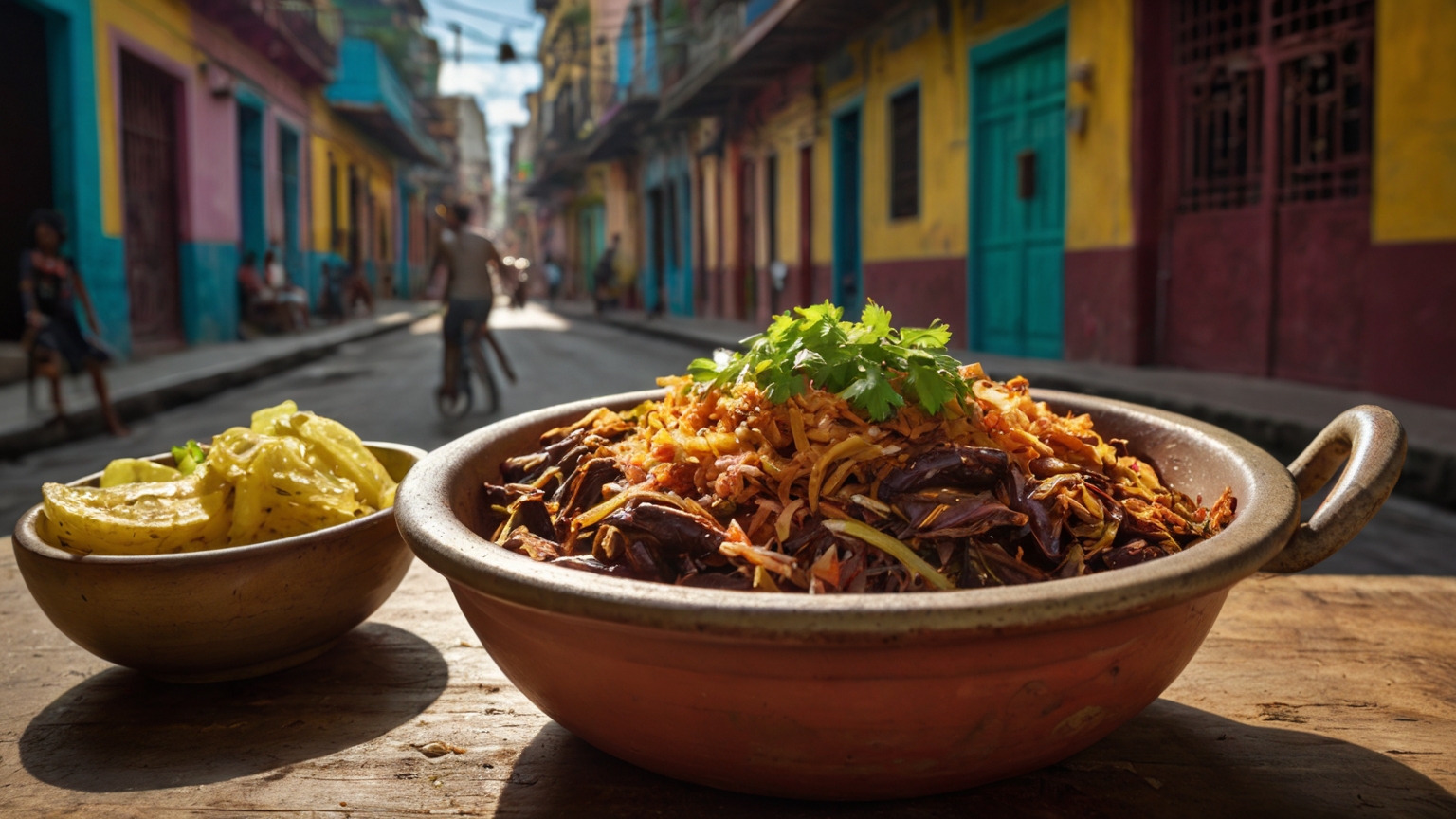
how to make authentic cuban ropa vieja

Feeling the stress of a busy week melting away? Craving a soul-warming meal that feels like a hug in a bowl? Look no further than Cuban Ropa Vieja – the ultimate comfort food that’s as rich in history as it is in flavor.

Ropa Vieja: More Than Just “Old Clothes”

Don’t let the literal translation of “old clothes” fool you. Ropa Vieja is anything but threadbare! This iconic Cuban dish features slow-cooked, fall-apart shredded beef bathed in a savory tomato-based sauce, traditionally served with fluffy white rice and flavorful black beans. A symphony of textures and tastes, Ropa Vieja offers a taste of Cuban comfort that will leave you wanting more.

Why Ropa Vieja Belongs in Your Recipe Arsenal

Beyond its undeniable deliciousness, Ropa Vieja boasts several compelling reasons to become your new go-to comfort food:

  • Effortlessly Easy: Don’t be intimidated by the vibrant flavors – Ropa Vieja is surprisingly simple to prepare! With readily available ingredients and a slow cooker doing most of the work, you can whip up a satisfying meal in under an hour.
  • Budget-Friendly: Ropa Vieja is a champion for budget-conscious cooks. The star ingredient – beef flank steak – is affordable, and the dish stretches to feed a crowd, making it perfect for families or potlucks.
  • Flavor Powerhouse: Don’t let the simple ingredients fool you – Ropa Vieja is a flavor bomb! The combination of savory beef, tangy tomatoes, aromatic sofrito (a base of garlic, onions, and peppers), and vibrant spices creates a taste explosion with every bite.
  • Dietary Flexibility: Craving a taste of Cuban comfort but following a specific diet? No problem! Ropa Vieja can be easily adapted to be gluten-free and can be tailored to vegetarian or vegan preferences by using a plant-based protein substitute like jackfruit or lentils.

Unraveling the Secrets of Ropa Vieja: Your FAQ Answered

What cut of beef is best for Ropa Vieja?

Traditionally, Ropa Vieja is made with flank steak. This cut is flavorful and benefits from the slow-cooking process, becoming beautifully tender and shreddable. However, you can also use other cuts like chuck roast or brisket for a richer flavor profile.

What is sofrito?

Sofrito is a base of finely chopped onions, garlic, peppers (typically bell peppers), and sometimes herbs like cilantro, that forms the foundation of many Latin American dishes. You can find pre-made sofrito in most grocery stores, but making your own is easy and adds an extra layer of freshness.

How can I make Ropa Vieja in a pressure cooker?

If you’re short on time, a pressure cooker can be a great way to achieve fall-apart beef in a fraction of the time. Follow your pressure cooker’s instructions for cooking beef, then shred and proceed with the recipe as usual.

The Perfect Comfort Food Plate: Beyond the Basics

While Ropa Vieja with white rice and black beans is a classic combination, feel free to get creative with your sides! Here are some delicious options to elevate your comfort food experience:

  • Maduros (Fried Plantains): The sweet and savory combination of fried plantains and Ropa Vieja is a match made in heaven.
  • Yuca Frita (Fried Yucca): Another classic Cuban side dish, yuca frita adds a crispy counterpoint to the tender beef.
  • Tostones (Fried Green Plantains): Similar to maduros, tostones offer a delicious textural contrast with their salty, crunchy exterior.
  • A Simple Salad: A refreshing salad with vibrant greens and a light vinaigrette helps balance the richness of the dish.

Become a Ropa Vieja Maestro: Essential Tips and Tricks

Ready to unleash your inner Cuban chef? Here are some helpful tips to ensure Ropa Vieja success:

  • Brown the Beef: Don’t skip the browning step! This adds depth of flavor to the final dish.
  • Let it Simmer: Patience is key! The longer the Ropa Vieja simmers, the more tender and flavorful the beef will become.
  • Shred with Care: Don’t use a fork! Use two forks or your fingers to gently shred the cooked beef for a more delicate texture.
  • Adjust the Spice: Ropa Vieja is traditionally mild, but feel free to add more adobo seasoning or a sprinkle of red pepper flakes for a kick of heat.

The Comforting Embrace of Ropa Vieja: A Culinary Journey

A Dish Steeped in History

Ropa Vieja isn’t just a meal; it’s a cultural cornerstone. Its origins trace back to resourceful Cuban cowboys (guajiros) who used leftover flank steak, simmering it with simple ingredients to create a hearty and satisfying dish. Over time, the recipe evolved, incorporating influences from Spanish cuisine and African cooking traditions. Today, Ropa Vieja continues to be a beloved symbol of Cuban comfort food, bringing families and friends together around the table.

Beyond the Plate: The Legacy of Ropa Vieja

The dish’s name itself holds historical significance. “Ropa Vieja” literally translates to “old clothes.” Some believe this refers to the practice of using leftover, tougher cuts of meat, while others suggest it symbolizes the resourcefulness and resilience of the Cuban people. Regardless of the origin, the name adds a layer of cultural depth to this iconic dish.

Creating Memories, One Bite at a Time

Ropa Vieja isn’t just about the food; it’s about creating memories. The aroma of slow-cooked beef filling your kitchen, the vibrant colors on the dinner plate, and the shared experience of savoring a comforting meal – these are the moments that build lasting connections. So, next time you’re craving a warm and satisfying dish, consider the magic of Ropa Vieja.

Embrace the Comfort, Share the Experience

With its ease of preparation, affordability, and incredible flavor, Ropa Vieja is the ultimate comfort food solution. Gather your loved ones, crank up some lively Cuban music, and create lasting memories while savoring this delicious taste of Cuban culture.

Don’t wait – dive into the world of Ropa Vieja today!

Tagged with: , , , , , , , , , , , , , , ,

Trinidadian Doubles: The Ultimate 5-Minute Street Food Fix!

Print This Post Print This Post

best trinidadian doubles recipe

Craving a taste explosion that’s easy on the wallet and satisfies your hunger in minutes? Look no further than Trinidadian doubles, the Caribbean’s most celebrated street food! This isn’t your average hot dog or taco; doubles offer a unique symphony of textures and flavors that will leave you wanting more.

What are Trinidadian Doubles?

Imagine fluffy, golden bara (deep-fried flatbread) cradling a generous portion of curried chickpeas (channa) bathed in a cooling, tangy tamarind chutney and a fiery pepper sauce, all sprinkled with chopped cucumber and fresh cilantro. That’s the magic of Trinidadian doubles – a symphony of textures and tastes that explodes in your mouth with every bite.

Why You NEED Doubles in Your Life

Beyond the sheer deliciousness, doubles offer several compelling reasons to become your new go-to snack:

  • Quick and Easy: Doubles are street food royalty for a reason – they’re incredibly fast to prepare. With just a few basic ingredients, you can whip up a batch at home in under 5 minutes!
  • Budget-Friendly: Doubles are a steal! They’re incredibly affordable, making them the perfect option for a satisfying bite that won’t break the bank.
  • Packed with Flavor: Don’t let the simple ingredients fool you – doubles are a flavor bomb! The combination of savory chickpeas, sweet tamarind, fiery pepper sauce, and cool cucumber creates an addictive taste experience.
  • Dietary Flexibility: Vegetarian and vegan? No problem! Doubles are naturally meat-free, making them a delicious option for everyone.

Double Up Your Knowledge: Frequently Asked Questions

Where did doubles originate?

Trinidadian doubles are believed to have originated with indentured laborers from India in the 19th century. They brought their love for flatbreads and curried chickpeas, creating a unique fusion dish that has become a beloved national treasure in Trinidad and Tobago.

What’s the difference between bara and phulouri?

Bara and phulouri are both deep-fried flatbreads common in Trinidadian cuisine. However, bara is typically lighter and fluffier, making it the perfect base for doubles. Phulouri, on the other hand, is denser and often used for stews or as a snack on its own.

What are some popular toppings for doubles?

While the classic combination of curried chickpeas, tamarind chutney, pepper sauce, cucumber, and cilantro reigns supreme, there’s room for customization! Some popular additions include grated cheese, fried eggplant (baigan), or even mango chutney for a touch of sweetness.

Become a Doubles Master: Tips and Tricks

Ready to try making your own doubles at home? Here are some helpful tips:

  • Use canned chickpeas for a shortcut. While dried chickpeas offer a slightly better texture, canned chickpeas are a time-saving alternative.
  • Don’t skimp on the chutneys! The chutneys are what truly elevate doubles. Look for good quality bottled varieties or try making your own for an extra flavor punch.
  • Master the art of the “bara flip.” Flipping the bara without tearing requires a bit of practice. Use a slotted spoon and a gentle touch to ensure a perfectly golden flatbread.

The Final Bite: Why Doubles Deserve a Spot in Your Life

Trinidadian doubles are more than just street food – they’re a cultural icon and a delicious testament to the power of simplicity. With their vibrant flavors, affordable price tag, and incredible ease of preparation, doubles are a must-try for anyone looking for a quick, satisfying, and unforgettable culinary experience. So, what are you waiting for?

Get your hands on some doubles today and discover why this Caribbean treasure has taken the world by storm!

The Ultimate Doubles Recipe: A Culinary Adventure at Home!

Making doubles at home is surprisingly simple and rewarding. Here’s what you’ll need:

Ingredients:

  • For the Bara:
    • 2 cups all-purpose flour
    • 1/2 teaspoon baking powder
    • 1 teaspoon salt
    • 1 teaspoon instant yeast
    • 1/4 teaspoon turmeric
    • 2 teaspoons granulated sugar
    • 1 cup lukewarm water (minus 3 tablespoons)
    • 1 tablespoon vegetable oil (for rubbing on dough)
    • Vegetable oil for frying
  • For the Channa:
    • 1 (15 oz) can chickpeas, drained and rinsed
    • 1 tablespoon vegetable oil
    • 1 onion, chopped
    • 2 cloves garlic, minced
    • 1 teaspoon curry powder
    • 1/4 teaspoon turmeric
    • 1/2 teaspoon ground cumin
    • 1/2 teaspoon ground coriander
    • 1 (14.5 oz) can diced tomatoes, undrained
    • 1/2 cup water
    • Salt and freshly ground black pepper to taste
    • Chopped cilantro, for garnish
  • For Serving:
    • Tamarind chutney
    • Pepper sauce (your preferred level of heat)
    • Chopped cucumber
    • Chopped cilantro

Instructions:

  1. Make the Bara: In a large bowl, whisk together flour, baking powder, salt, yeast, turmeric, and sugar. Gradually add the lukewarm water, mixing until a soft dough forms. Add the vegetable oil and knead for 5 minutes, until smooth and elastic. Cover the dough with a damp cloth and let it rise in a warm place for 1 hour, or until doubled in size.

  2. Prepare the Channa: Heat oil in a saucepan over medium heat. Add the onion and cook until softened, about 5 minutes. Add garlic, curry powder, turmeric, cumin, and coriander, and cook for an additional minute, stirring constantly to release the fragrance of the spices.

  3. Simmer the Channa: Pour in the diced tomatoes and water. Bring to a boil, then reduce heat and simmer for 15 minutes, or until the sauce thickens slightly. Add the chickpeas and season with salt and pepper to taste. Simmer for another 5 minutes, allowing the flavors to meld.

  4. Assemble the Doubles: Heat enough oil in a frying pan to come halfway up the sides. Divide the dough into 6 equal balls. Gently flatten each ball into a round disk. Carefully slide the bara into the hot oil and fry for about 30 seconds per side, or until golden brown. Drain on paper towels.

  5. Serving Time: Split a warm bara in half and fill it generously with the curried chickpeas. Drizzle with tamarind chutney and pepper sauce to your desired level of heat. Garnish with chopped cucumber and cilantro.

Embrace the Doubles Experience!

Now you have all the tools and knowledge to create your own batch of Trinidadian doubles. Gather your friends and family, turn on some lively Caribbean music, and enjoy this explosion of flavors.

Doubles are more than just a meal – they’re a cultural experience waiting to be devoured. So, take a bite, savor the taste, and discover why Trinidadian doubles are truly a street food sensation made easy!

Related Posts Plugin for WordPress, Blogger...
Tagged with: , , , , , , , , , , , , , ,

Caribbean Recipes | Log in
Caribbean - Cooking - Recipes . Com are regulated under Russian Copyright Law: © 2005 - 2026 All Rights Reserved.
Technical assistance and design support by Crossroads Media and Dominica Weekly.

Business Key Top Sites